


Best Pets for Kids Learning Responsibility and Care
Choosing the best pet for your child isn't just about finding a cute companion—it's about helping your family grow in responsibility and care. You'll want to think beyond the basics, considering a pet that matches your child's age, energy, and maturity level. Some animals encourage structure, empathy, and even teamwork at home. Before you bring home a furry, scaly, or feathered friend, there are a few important factors you can't ignore.
Factors to Consider When Selecting a Pet for Children
When selecting a pet for a child, it is crucial to consider several factors, including the child’s age and level of maturity. These elements play a significant role in ensuring safe and positive interactions between the child and the pet.
Assessing your family’s readiness to assume the responsibilities associated with pet ownership is essential. This includes the regular tasks of providing care, training, and arranging veterinary visits.
Different pets have distinct needs. For instance, dogs and cats typically require more living space, exercise, and social interaction compared to smaller pets such as fish or guinea pigs, which generally demand less maintenance.
Additionally, it is important to consider the lifespan of the pet; animals like Bearded Dragons, dogs, and cats can live for many years, providing children with long-term opportunities to cultivate a sense of responsibility.
Financial considerations should also not be overlooked. Prospective pet owners must be prepared for the ongoing costs associated with pet care, including food, supplies, and medical expenses.
Planning for future veterinary appointments is also advisable to ensure the pet’s health and well-being.
Top Low-Maintenance Pets for Young Children
Choosing a low-maintenance pet can assist young children in developing a sense of responsibility while minimizing the burden of care.
When considering pet options for children, fish, such as goldfish, are often suitable. They require minimal space and care, making them manageable for young owners.
Guinea pigs are another option, as they are social animals that tend to interact gently with children. Their exercise needs are modest, and they do not require extensive training, making them appropriate for young handlers.
Another viable choice is domesticated rats, which can thrive in a home environment with regular care and socialization. They are known for their intelligence and can form bonds with their owners, but they do require consistent attention.
Parakeets offer an interactive pet experience but are generally low-maintenance. They can be entertaining without demanding excessive effort from their owners.
Additionally, reptiles, particularly Bearded Dragons, can be suitable for families. They are relatively hardy and do not occupy a large physical space, although they do require specific care regarding their habitat and diet.
It is advisable for prospective pet owners to consult with a Veterinary Client Health professional prior to acquiring any pet, as this can help address essential care considerations and ensure suitable choices for the household.
Teaching Responsibility and Empathy Through Pet Ownership
Pet ownership can offer numerous opportunities for children to develop important life skills, particularly responsibility and empathy. Engaging in the care of pets, such as fish, guinea pigs, dogs, or cats, helps children establish a sense of routine and the understanding of care requirements. This includes recognizing the time and effort needed for tasks such as feeding, exercising, and arranging veterinary visits.
Different pets require varying levels of commitment and care. For example, while bearded dragons and rats may exhibit social behaviors, dogs and cats demand considerable space and long-term investment in training and companionship.
It is essential for children to grasp the responsibilities involved in pet ownership, which can include scheduling routine veterinary care when necessary.
Involvement in pet care not only fosters a sense of accountability in children but also nurtures empathy as they learn to understand and respond to the needs of another living being. Overall, pet ownership can be a significant educational experience, contributing to personal growth and awareness of health and well-being for both the pet and the family.
Age-Appropriate Pet Choices for Kids
Selecting a pet that corresponds with a child's age and capabilities is essential for ensuring both safety and beneficial learning experiences. The appropriate choice of pet can aid in imparting a sense of responsibility aligned with the child’s developmental stage.
For children aged 4-7, more low-maintenance pets, such as fish or crested geckos, can be suitable options. These animals generally require less daily care, making them manageable for younger children.
As children grow older, particularly between the ages of 8-11, more interactive pets like guinea pigs or rats may be more appropriate. These social animals benefit from regular interaction and care, which can help foster a sense of empathy and responsibility in children.
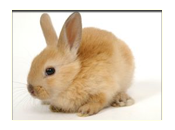
For adolescents aged 12 and above, pets such as bearded dragons or rabbits may be considered. At this stage, children are often better equipped to handle the more complex needs of these animals, which can include dietary requirements and habitat maintenance.
It is also imperative to factor in the veterinary health needs of any prospective pet. A thorough assessment of these needs, including an appointment with a veterinarian prior to acquiring a pet, can ensure that both the animal's health and the family's expectations are adequately addressed.
Professional Guidance and Resources for Families
Engaging veterinary professionals at the outset can significantly inform your family's decision-making process regarding pet acquisition. It is essential to assess the varied requirements of different animals based on your household composition.
For families with children who are capable of participating in pet care, traditional pets such as dogs or cats might be appropriate. Conversely, if your family prefers less demanding options, species like fish, guinea pigs, or Bearded Dragons may be more suitable.
Consulting a veterinary client service can provide tailored advice that reflects your family's specific circumstances. Regular wellness visits to a veterinary clinic not only contribute to the pet's health but also serve as an educational opportunity for children to learn about responsible pet ownership, including aspects such as health care, exercise, and training.
Utilizing these resources can facilitate effective care management, establish consistent routines, and promote a sense of responsibility regarding pet ownership over the long term.
It is crucial to understand the commitment involved with each pet type to ensure that expectations align with the family's ability to provide adequate care.
Conclusion
Choosing the right pet for your child isn’t just about finding a fun companion—it’s about teaching valuable life skills. When you select an age-appropriate animal and involve your child in daily care, you’re helping them develop empathy, responsibility, and emotional maturity. Remember, each pet brings unique learning opportunities. Take time to research and consult professionals, so you can confidently guide your child on this meaningful journey of pet ownership and personal growth.