


Best Pets for Kids Who Want Cuddly Companions
If you're looking for a cuddly companion for your child, choosing the right pet can make all the difference. You'll want an animal that's affectionate, gentle, and easy for kids to care for. From playful puppies to soft-furred rabbits, each option brings its own charm and challenges. But before welcoming a new furry friend, there are several important factors you should consider to ensure the perfect match for your family.
Factors to Consider Before Selecting a Cuddly Pet
Before selecting a cuddly pet for your child, it is important to consider several practical factors to ensure an appropriate match. While children may express a desire for affectionate companions, it is crucial to recognize that not all small pets are equally easy to care for or suitable for younger children.
Experts recommend evaluating the temperament of potential pets, such as guinea pigs, rats, hamsters, or hedgehogs, particularly with regard to their comfort level with handling.
It is essential for families to assess whether they can meet the specific living, socialization, and dietary needs of the chosen pet. Small animals typically have varying lifespans, ranging from approximately three years to over a decade, which should be factored into the decision-making process.
Additionally, these pets require adequate space, regular interaction, and clean living environments to thrive.
Ultimately, careful consideration of these factors can help ensure that the selected pet is a suitable companion for your child while also aligning with the family's ability to provide proper care.
Top Small Pets for Gentle Interaction
Selecting a pet that is conducive to gentle interaction can enhance the experience of animal companionship for children. Among the small pets available, guinea pigs are often recommended due to their social nature and affinity for physical contact. They tend to be relatively straightforward to care for, requiring proper housing, a balanced diet, and regular cleaning.
Hamsters exhibit a more independent temperament but can develop affectionate behaviors when handled frequently and socialized from a young age. Research indicates that early socialization can influence their propensity for gentle interaction with their owners.
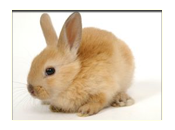
According to Dr. Little from New York, rabbits, when properly socialized and conditioned to their environment, can exhibit a cuddly nature. It is important to note that their behavior can vary significantly based on individual personality and socialization.
Ferrets are another option; they are recommended to be kept in pairs due to their interactive nature, which facilitates social behavior, especially when they are tired.
As with other small pets, they require regular human interaction as well as adequate space to play and explore.
It is essential to maintain a clean living environment for these animals by regularly cleaning their cages and providing a diet that includes occasional treats such as vegetables.
Before acquiring a pet, families should consider their readiness to meet the care requirements and emotional needs of these animals.
Best Cuddly Pets for Young Children
When evaluating suitable pets that provide warmth and companionship for young children, several species exhibit affectionate behaviors that can enhance the child-pet relationship.
Guinea pigs are often recommended due to their sociable nature. They thrive on human interaction and typically appreciate being held, making them ideal companions for children. Their manageable size and relatively simple care requirements contribute to their popularity among families.
Hamsters, particularly those that are well-socialized, can also be good pets for children. They tend to develop a bond with their owners but require a degree of handling to become accustomed to human interaction. It is essential to note that they have specific environmental needs and may require consistent attention to feel secure.
Birds, such as Lovebirds, are another option for families seeking affectionate pets. These small birds are known for their playful and interactive qualities. However, potential owners should be aware of the commitment involved in their care, including socialization and cage maintenance.
Rabbits and rats are additional considerations. Both require regular cleaning of their living spaces and benefit from a diet that includes fresh vegetables. While they can be affectionate, the level of interaction needed will depend on the individual pet's personality and prior exposure to handling.
In summary, while several pet options may provide companionship to young children, responsible ownership requires understanding each species' needs and characteristics to ensure a positive experience for both the child and the pet.
Suitable Affectionate Pets for Middle Childhood
When selecting a pet for children in middle childhood, it is important to consider animals that can provide both companionship and opportunities for interaction. Research indicates that rats can be suitable companions for children due to their social nature; they enjoy human interaction and can even learn tricks, which can be engaging for children.
Guinea pigs are another viable option, as they thrive on care and attention. They are known for their gentle demeanor and often enjoy sitting comfortably on laps while being fed vegetables as treats. This can promote a sense of responsibility in children regarding pet care.
Birds, such as parakeets and finches, can offer a different kind of companionship, primarily through their songs. These pets may be appropriate for children who may prefer to observe rather than handle their animals frequently.
Small mammals, such as hamsters or socialized hedgehogs, are relatively low-maintenance options that require limited space and have a lifespan averaging around three years. It is essential, however, to commit to regular maintenance, including cage cleaning, to ensure the health and well-being of these animals.
Overall, the choice of pet should depend on the family's capacity to provide care and engage with the animal, taking into account factors such as the pet's social needs, maintenance requirements, and the child's preferences.
Ideal Companions for Adolescents Seeking Affection
During adolescence, various interests may evolve; however, the presence of a pet can provide stability and emotional support during this transitional phase. In urban environments such as New York, dogs and cats are among the most preferred pets, largely due to their sociable nature and compatibility with family life. Research indicates that pets can positively influence adolescent well-being by fostering a sense of responsibility and companionship.
Dr. Little emphasizes that caring for small pets, such as guinea pigs and hamsters, can be particularly beneficial for adolescents. These animals, known for their affectionate demeanor and relatively manageable care requirements, typically have a lifespan of about three years.
It is essential for caregivers to ensure that adolescents are adequately prepared to take on the responsibilities associated with pet ownership, which include regular handling, cage maintenance, and appropriate dietary provision, such as vegetables.
In summary, pets can serve as valuable companions for adolescents, contributing to their emotional development and teaching responsible care practices, provided that the caregivers are fully committed to fulfilling the needs of the animals.
Care and Socialization Tips for Cuddly Pets
Ensuring a pet's well-being involves establishing a sense of safety and connectivity through consistent, gentle handling and positive interactions. It is essential for children to understand that small pets, such as guinea pigs, hamsters, and rats, require frequent socialization and handling to thrive and maintain affectionate behavior.
According to Dr. Little, small breeds like hedgehogs and birds can also serve as suitable companions, provided their habitats are adequately maintained and they receive appropriate treats, such as fresh vegetables.
These small animals typically have a lifespan of approximately three years, and their care requirements are manageable, particularly when families allocate sufficient living space.
Moreover, it is crucial to introduce young pets to their new environment in a calm and welcoming manner. Well-cared-for pets are more likely to develop positive behaviors and strengthen their bond with caregivers.
Overall, proper nurturing significantly contributes to the pet's health and social demeanor.
Signs of Affection and Bonding in Small Pets
When interacting with small pets, various observable behaviors can indicate their comfort and attachment to their human counterparts. For example, guinea pigs and hamsters may emit sounds like trilling or purring when they are content. In contrast, hedgehogs and rats display their affection through snuggling.
According to Dr. Little, small breeds that are well-socialized and frequently handled can serve as suitable companions for children and families.
Additionally, small pets often lean into gentle touches, seek out physical closeness, and may accept vegetables as a reward, which can be interpreted as signs of trust and bonding.
Most small pet species have relatively short lifespans, typically averaging around three years. This duration is an important consideration for potential owners. Research highlighted in the New York Review reinforces the notion that these affectionate and social animals can be valuable companions for households, provided that owners are prepared for the responsibility of their care and attention.
Conclusion
When you're choosing a cuddly pet for your child, don’t rush the decision. Consider your family's lifestyle, your child’s age, and each pet’s care needs. No matter which companion you pick, prioritize gentle interactions and steady routines—they foster trust and affection. By teaching your child about responsibility and empathy, you’re setting the stage for a lifelong bond. With thoughtful preparation and care, you’ll create a safe, loving environment for both your child and their pet.